
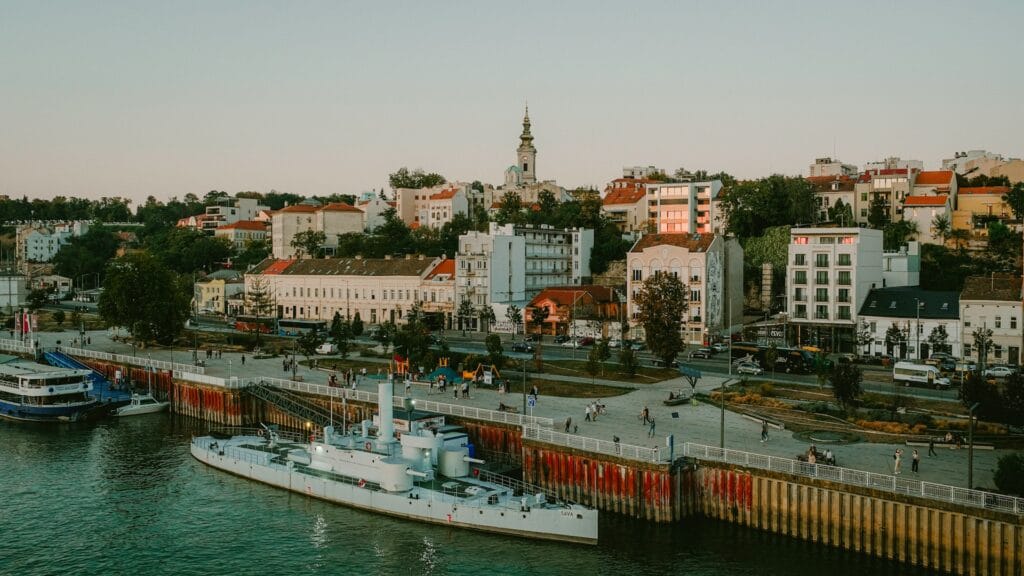
Belgrade, the capital of Serbia, is an important regional hub, attracting visitors for business, tourism, and transit. Many travelers pass through the city with limited time, often staying only a day. While 24 hours is not enough to explore everything Belgrade has to offer, it provides a compact but meaningful introduction to its culture, architecture, and everyday life.
Morning – Start 24 Hours in Belgrade at Kalemegdan and the Old Town
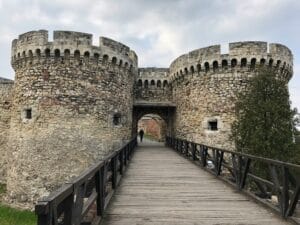
Start your day at Kalemegdan Fortress, one of Belgrade’s most iconic landmarks and a perfect introduction to the city’s long history. Perched above the confluence of the Sava and Danube rivers, the fortress not only offers panoramic views of the waterways and New Belgrade across the river but also provides insight into Belgrade’s strategic importance over centuries. Kalemegdan has witnessed Roman fortifications, medieval battles, Ottoman occupations, and Austro-Hungarian rule, and remnants from each era can still be seen in its walls, gates, and towers. Take your time to stroll through the expansive fortress park, enjoy the statues, and explore the small museums scattered around the complex, such as the Military Museum or the Belgrade Zoo for a brief detour.
From Kalemegdan, head toward Dorćol, one of the oldest neighborhoods in the city. Dorćol’s charm lies in its mix of architectural styles—from Ottoman-era buildings to more modern 19th- and 20th-century constructions. The area is also home to cultural landmarks such as old churches, synagogues, and historic squares. Narrow cobbled streets invite leisurely exploration, and small cafés or bakeries along the way make perfect spots for a morning pastry or coffee. Walking through Dorćol, you’ll notice the juxtaposition of history and modern life: street art, boutique shops, and creative studios sit comfortably alongside centuries-old façades.
Late Morning – City Center and Knez Mihajlova
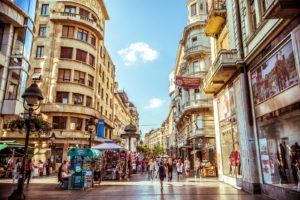
After exploring Dorćol, make your way to Knez Mihajlova Street, Belgrade’s main pedestrian thoroughfare. Stretching from Kalemegdan down to Republic Square, this street is lined with elegant 19th-century architecture, boutique shops, cafés, and galleries. It’s not just a shopping street; it’s also a social hub where locals gather, musicians perform, and street artists add color to the city.
At Republic Square, pause to admire key landmarks such as the National Museum, home to extensive collections of Serbian and European art, and the National Theatre, an architectural gem where opera, ballet, and drama performances take place. This is also a great spot for people-watching: locals often enjoy a leisurely coffee or a chat on the benches while the city bustles around them. Take a short break at a nearby café to soak in the city’s atmosphere, as café culture is central to Belgrade life. Ordering a Turkish-style coffee or a glass of fresh juice allows you to experience a typical morning ritual shared by residents across the city.
Lunch – Traditional Serbian Cuisine
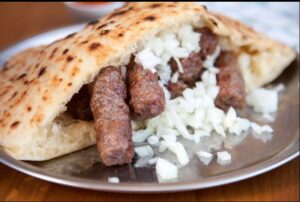
For lunch, head to a traditional kafana, a classic Serbian tavern offering hearty local dishes. Popular options include ćevapi, small grilled minced meat sausages served with flatbread and onions, or pljeskavica, a Balkan-style burger often accompanied by kajmak, a creamy dairy spread. Simple salads, fresh bread, and seasonal vegetables typically complete the meal. Portions are generous, and meals are meant to be enjoyed slowly, reflecting Belgrade’s relaxed approach to dining.
The Stari Grad (Old Town), Skadarlija and Dorćol neighborhoods offer many authentic dining options. In these places, the ambiance is just as important as the food. Dining in a kafana is also a chance to observe local customs. Tables often host lively conversations that can last for hours. Pair your meal with a local drink, such as rakija, a fruit brandy, if you are feeling adventurous. Don’t be surprised if the staff encourages you to relax and enjoy your time.
Afternoon – New Belgrade and Zemun
In the afternoon, venture across the river to New Belgrade. This district is characterized by wide boulevards, expansive parks, and modernist architecture from the socialist period. New Belgrade offers a striking contrast to the historic Old Town, reflecting the rapid urban development of the mid-20th century. Notable landmarks include the Ušće Tower and several open-air markets, where you can observe day-to-day life in this bustling district.
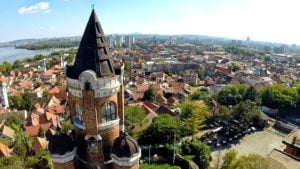
For a change of pace, continue toward Zemun. This historic town was once a separate settlement before merging with Belgrade. Zemun is famous for its Austro-Hungarian architecture, narrow streets, and riverside promenade. A highlight is the Gardos Tower, which provides sweeping views over the Danube and the surrounding neighborhoods. Strolling along Zemun’s quay is a relaxing experience, with cafés, pastry shops, and small local markets lining the river. This area shows a quieter, more intimate side of Belgrade, making it an excellent contrast to the city center.
Evening – End of 24 Hours in Belgrade with Nightlife
As evening approaches, return to Belgrade’s riverbanks. Here, you can experience one of the city’s most distinctive features: floating bars and restaurants, known locally as splavovi. Located on the Sava and Danube rivers, these venues offer a unique riverside atmosphere, especially during sunset. Watching the sun reflect on the water while enjoying a drink is one of the most iconic Belgrade experiences.
Dinner in the evening can be either traditional or international, as the city offers a wide variety of cuisines. Afterward, explore Belgrade’s nightlife, which is famously lively and diverse. From intimate live music venues and jazz bars to nightclubs that stay open until dawn, there’s something for every taste. The energy is casual yet intense, reflecting the city’s reputation for social gatherings and late-night entertainment. Even a short walk through the vibrant streets at night reveals the city’s character. You will see friendly crowds, street performers, and a strong sense of community that lasts well into the early hours. It is a perfect way to conclude your 24 hours in Belgrade.
